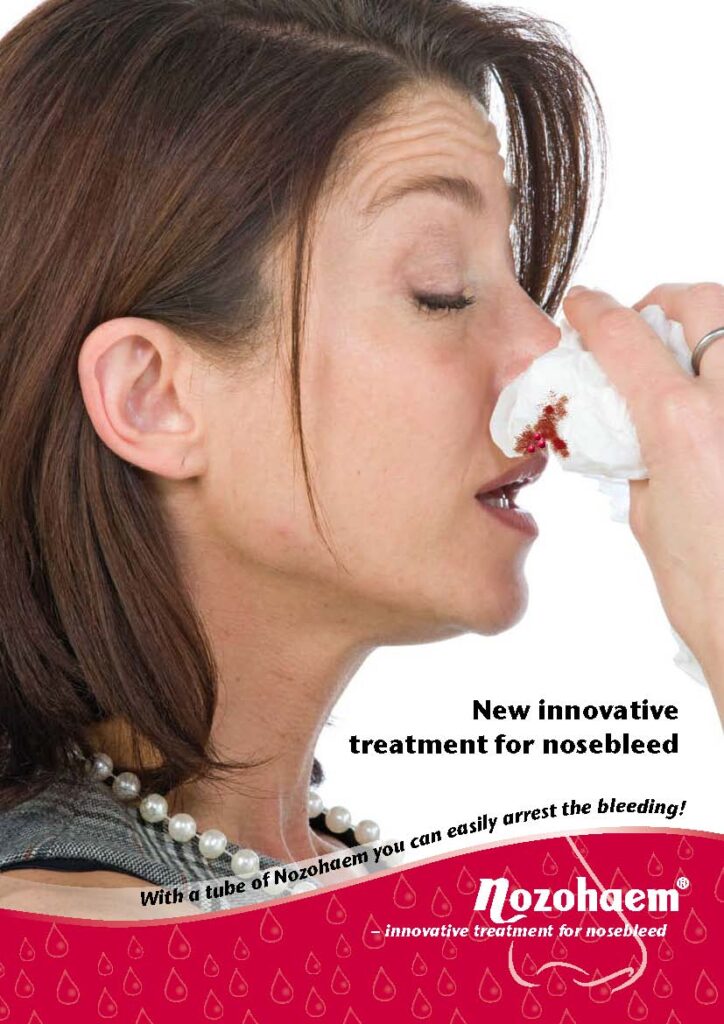
When the cold weather arrives, many people notice that nosebleeds become more common. They are not dangerous, but can be both annoying and unpleasant. The good news is that they can usually be prevented with simple routines.
Why do people get nosebleeds when it is cold?
Winter means drier air both outside and inside. When the mucous membrane in the nose dries out, it becomes brittle and cracks easily. In addition, we often switch between cold outdoor air and warm indoor air, which causes the blood vessels in the nose to dilate and contract quickly. This increases the risk of them bursting.
Colds, allergies and frequent use of nasal sprays can also irritate the mucous membrane and contribute to bleeding.
Who is most affected?
• Children
• Elderly
• People taking blood-thinning medications
• Allergy sufferers
• Anyone who stays in dry environments, such as offices or airplanes
How to prevent nosebleeds this winter
• Moisturize your nose with an emollient gel or oil
• Use a humidifier at home
• Avoid picking or rubbing your nose
• Be careful with decongestant nasal sprays
• Drink plenty of water
Small changes can make a big difference to how your nose feels during the winter.
When the nosebleed comes
Sit up, lean forward slightly and pinch the soft part of your nose for 10–15 minutes. Avoid tilting your head back. If the bleeding does not stop or recurs frequently, you should contact your healthcare provider.